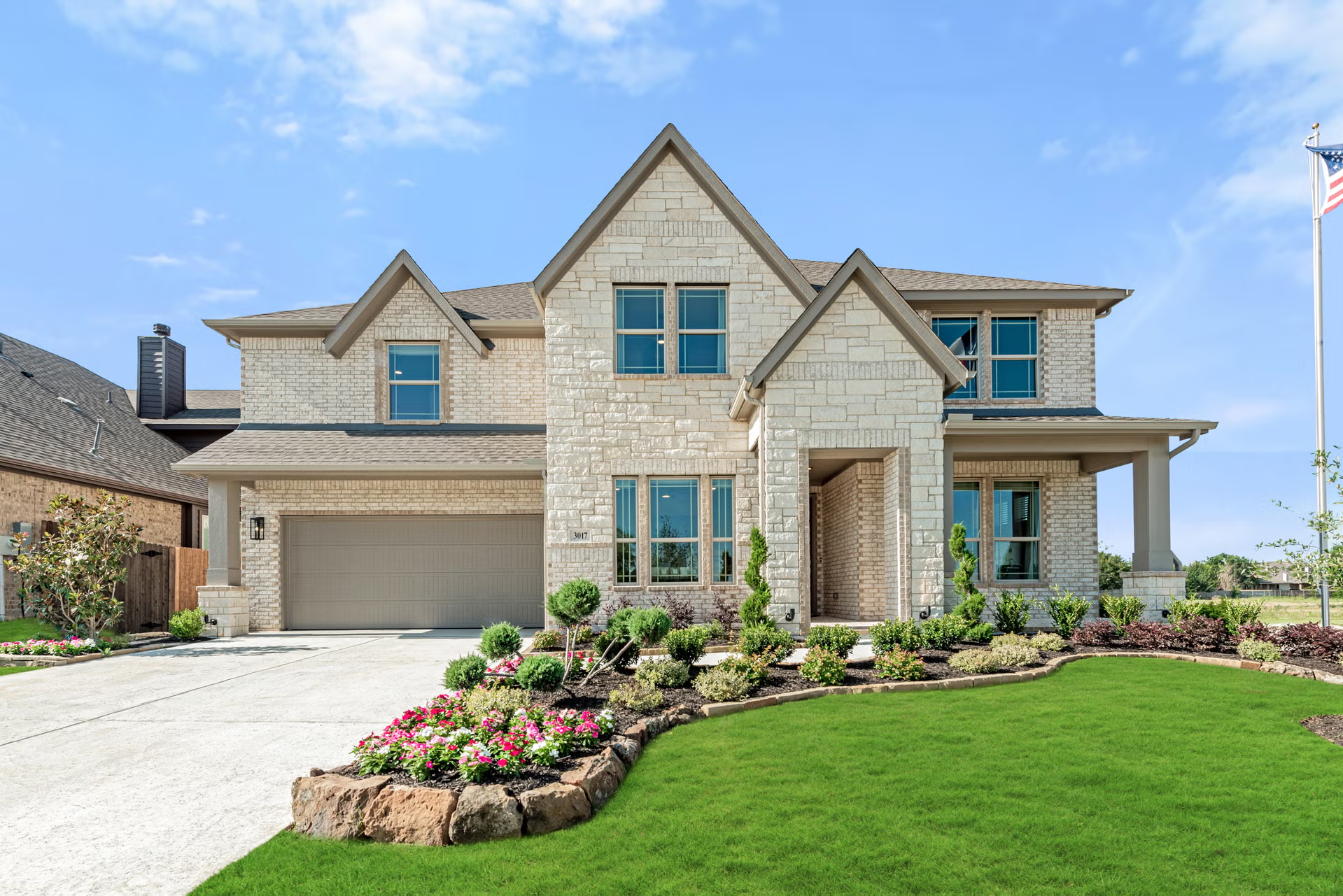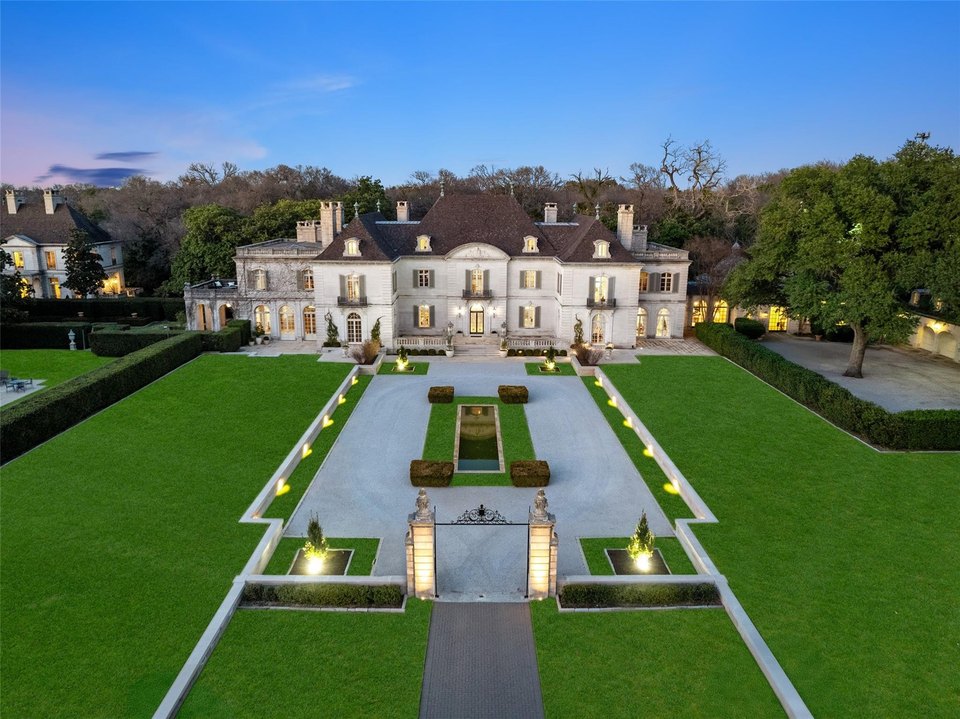

If you’re relocating to North Dallas, two suburb names come up almost immediately: Frisco and Plano. Both regularly appear on national “best places to live” lists. Both have excellent schools, strong amenities, and home values that have held up well over time. And both get pitched to relocating families as essentially interchangeable — which they are not. After working with families moving into both, here’s the honest comparison.
The 30-Second Summary
Plano is the established, mature suburb. The infrastructure is in, the trees are grown in, the schools have decades of track record, and the housing stock spans from 1980s ranches to recent custom builds. You’re paying a premium for a known quantity in a central location.
Frisco is the high-growth suburb. Newer construction, larger lots in many subdivisions, sports and entertainment infrastructure (The Star, PGA HQ, Toyota Stadium), and a school district that has expanded fast to keep up. You’re paying for newness and amenities, often with a longer commute back into Dallas.
Side-by-Side: The Practical Differences
| Plano | Frisco | |
|---|---|---|
| Typical 4BR family home | $650K–$1.2M | $700K–$1.4M |
| Housing stock | Mix: 1980s–2020s | Predominantly 2005–present |
| Lot size | Often 0.18–0.25 acre | Often 0.20–0.40 acre |
| School district | Plano ISD | Frisco ISD |
| High schools | 4 large traditional | 11+ smaller “small school” model |
| Commute to downtown Dallas | 25–35 min | 35–50 min |
| Property tax rate | ~2.0–2.2% | ~2.0–2.2% |
| Feel | Established, central, walkable pockets | Newer, master-planned, amenity-rich |
Schools: The Biggest Real Difference
Both districts are excellent. The structural difference matters more than the rankings.
Plano ISD runs a traditional model: four large comprehensive high schools (Plano West, Plano East, Plano Senior, Plano), each with deep program offerings, big athletics, broad AP catalogs, and the resources that come with size. If you want your kid to have access to a 30+ AP course catalog, robust theater and music programs, and competitive varsity athletics, Plano ISD’s scale delivers.
Frisco ISD runs a “small school” model: 11+ high schools, each capped at roughly 2,100 students. The trade-off is intentional — smaller classes, more student leadership opportunities, and easier varsity roster spots, but smaller course catalogs and program depth at any individual campus. Many Frisco families love this model. Some, especially those whose kids excel in a niche extracurricular, find their school doesn’t offer it.
There isn’t a “better” district between them. There’s a better fit, and it depends on your kid.
Commute: The Underweighted Factor
If anyone in your household is commuting to downtown Dallas, the medical district, or anywhere south of LBJ on a regular basis, Plano is meaningfully closer than Frisco. We’re talking 10–15 minutes each way, every day. Over a year that’s hundreds of hours.
Frisco’s commute math has improved with the Dallas North Tollway buildout, but rush hour is still rush hour, and 380 traffic across the top of Frisco can be brutal. Test-drive the actual commute at the actual time of day before you sign. I tell every relocating client this and most of them ignore me — and most of them later wish they hadn’t.
Lot Size and New Construction
If you’re prioritizing a larger lot and newer construction, Frisco generally wins, especially in master-planned communities like Phillips Creek Ranch, Newman Village, Hollyhock, and Richwoods. You can find 0.25–0.40 acre lots with 5-bedroom, 4,000+ sq ft homes built in the last 5 years, often with neighborhood amenities (pools, fitness centers, trails) baked in.
Plano has new construction too, but inventory is thinner and lots are typically smaller. You’re more often choosing between a beautifully renovated 1990s home or a recent infill build on a tighter lot.
Where Plano Wins
- Centrality. You’re closer to Dallas, Addison, the airport, and the rest of the metro.
- Established neighborhoods. Mature trees, settled communities, neighborhoods where families have been for 20+ years.
- Plano ISD scale. If your kid is going to thrive on a big high school’s resources, this is the model that delivers.
- Walkable pockets. Legacy West, downtown Plano, and the Shops at Legacy give Plano amenity density that’s rare in suburban Dallas.
Where Frisco Wins
- Newer housing. Buy 2010+ construction far more easily than in Plano.
- Larger lots in master-planned communities.
- Amenity-driven lifestyle. The Star, PGA Frisco, Toyota Stadium, the National Soccer Hall of Fame — Frisco has invested heavily in entertainment and sports infrastructure.
- Frisco ISD’s “small school” model if it fits your kid.
My Take
These are both excellent suburbs. The wrong question is “which is better.” The right question is “which actually fits how my family is going to live?”
If you’re commuting to downtown Dallas, value an established neighborhood feel, and want the option of a deep big-high-school program for your kids, Plano is usually the call.
If you want newer construction, larger lots, master-planned amenities, and you don’t have a daily commute pulling you south, Frisco is usually the call.
Want me to pull current listings, recent sales, and a school-zoning overlay for either suburb tailored to your family’s priorities? Let’s connect — I’ll send you a side-by-side that’s specific to your situation, not the generic version.